
Mid-thought: wallets are more than shiny UIs. They hold your private keys — literally the secret sauce that controls everything you own on-chain. If that sounds dramatic, good. It is. A single misplaced seed phrase can cost you years of gains. So yeah, this matters.
I’ll be honest: I’m biased toward tools that give users control without making security a labyrinth. In practice that means a wallet that stores private keys locally (not on some remote server), supports the chains where you actually keep assets, handles NFTs gracefully, and lets you stake without exposing you to unnecessary risk. Easier said than done, though — there are tradeoffs. Some wallets prioritize ease-of-use; others prioritize auditable, open-source code and hardware integrations. Personally, I favor the latter for anything more than pocket-change.
Private keys first. Your wallet is either custodial (someone else holds the keys) or non-custodial (you do). Non-custodial wallets give you control — and responsibility. The key things to check:
- Key storage model: Are keys generated and encrypted locally, or are they stored on a remote server? Local, encrypted key storage is the safer default.
- Backup and recovery: Does the wallet use a standard mnemonic seed (BIP39/BIP44) with optional passphrase support? Can you test recovery offline?
- Hardware compatibility: Can you connect a hardware wallet (Ledger, Trezor, or similar)? Hardware signing drastically reduces risk for large balances.
- Multi-account and multisig: Does the wallet support multiple accounts and multisig (multiple approvals) for shared or high-value wallets?
Practical tip: split your backups. A single paper note is a single point of failure. Use two safe locations, or a multisig scheme for very large holdings. And test recovery once — I mean actually restore the seed to a different device in a safe environment. It’s easy to skip and costly to regret.
NFT support is its own beast. NFTs live on different chains, have varied metadata standards, and sometimes involve off-chain data links. When evaluating NFT support, look at:
- Cross-chain visibility: Can the wallet show NFTs from Ethereum, Polygon, Solana, Flow, etc., in one place, or do you need multiple wallets?
- Metadata fetching: Does the wallet fetch metadata reliably (and cache it safely)? Broken metadata can make an NFT look empty or incorrect.
- Gas and UX flows: Does the wallet surface gas costs clearly for transfers and listings? Can it connect seamlessly to marketplaces without exposing unnecessary permissions?
- Privacy: Some NFT UIs automatically index and display holdings publicly; check whether the wallet exposes your activity by default.
One mistake I see a lot: using the same hot wallet for daily DeFi interactions and for holding rare NFTs. Keep them separate. That way, if a dApp you connect to tries to drain funds, your collectible stash stays safe. Also—royalties and creator rights get messy across chains. A wallet that preserves and shows royalty settings can be helpful when listing.
Staking support — what to look for and what to avoid
Staking gives yield, but it’s not free money. Different networks have different models: validator staking (ETH, SOL), delegated staking (ATOM, ADA), liquid staking tokens (LSDs like stETH), or smart-contract-based auto-compounders. Key questions:
- Does the wallet support direct staking (to validators) and/or delegation flows? If it delegates, can you choose validators and see their performance metrics?
- Liquid staking options: Does the wallet integrate with liquid staking providers, and does it clearly explain risks like peg divergence?
- Lockup and unbonding periods: How long until you can withdraw? Some chains have multi-day unbonding windows — that matters if you need liquidity quickly.
- Slashing and risks: Does the wallet educate users on slashing risks for validators who misbehave? Can you easily switch validators?
Smart wallets present staking options right in the UI, but that convenience can obscure important details: validator commission, uptime history, minimum stake amounts, and withdrawal timelines. My instinct is to treat staking like picking a bank account — read the fine print. If a wallet automates validator choice, check whether it favors one provider or optimizes yields without accounting for decentralization.
Multichain support ties all of this together. A good multichain wallet does at least three things well: handle native key management for each supported chain, normalize UX so users aren’t confused when switching chains, and keep security consistent across ecosystems. Things to verify:
- Chain coverage: Which chains are supported natively vs. via bridges or third-party plugins?
- Contract approvals: Does the wallet present clear prompts when smart contracts request approvals? Can you set allowance limits instead of infinite approvals?
- Open-source and audited: Is core code available for review? Has the wallet been audited, and are audit reports public?
- Privacy controls: Can you turn off telemetry, avoid centralized metadata indexing, and manage account labels locally?
Real-world workflow: I keep a small hot wallet for gas and daily trades, a dedicated NFT wallet for marketplace interaction (with minimal ETH for gas), and a hardware-backed cold wallet for long-term holdings and staking delegations. It’s not glamorous, but it reduces blast radius when something goes sideways.
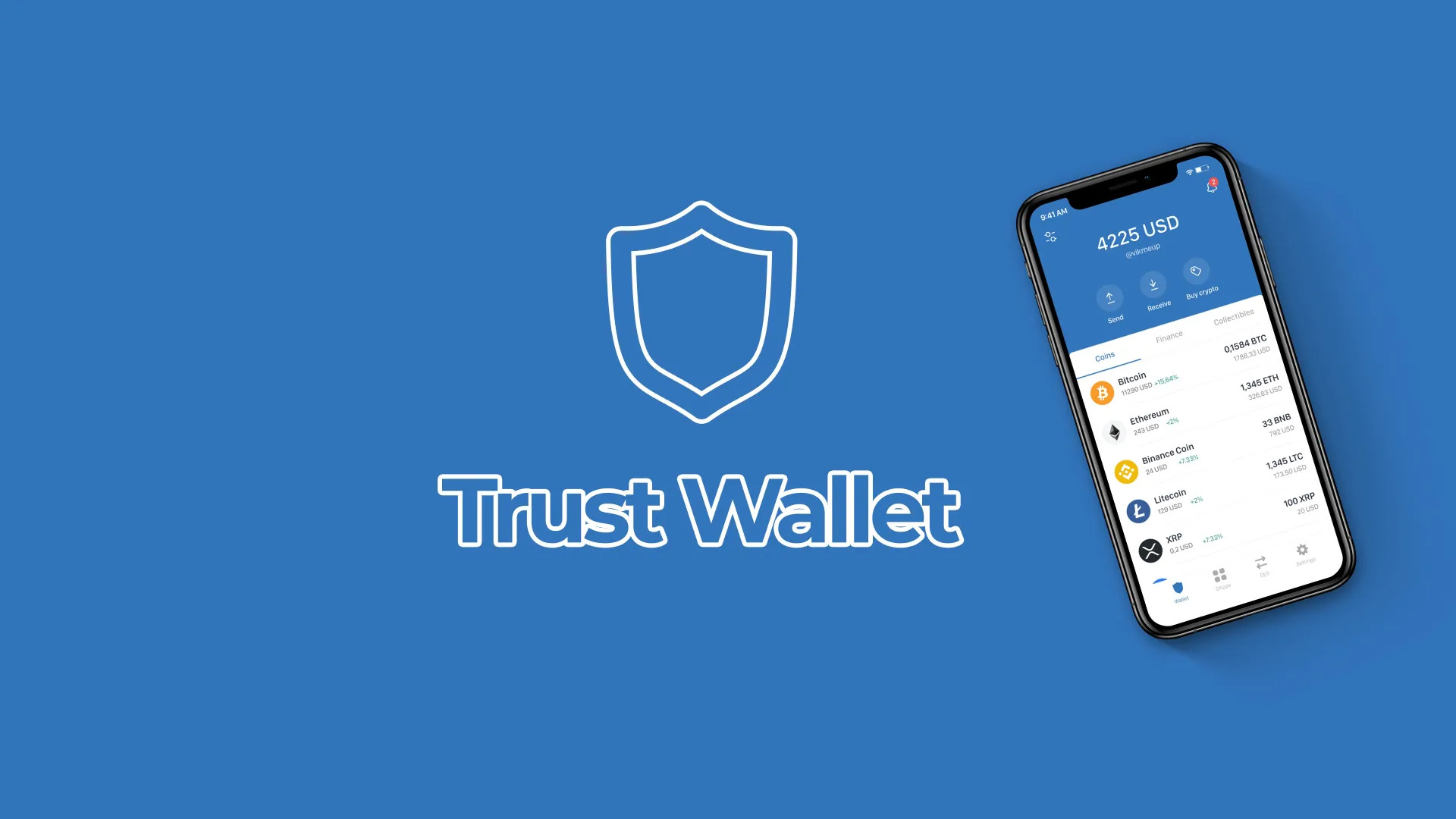
If you want to try a wallet that balances multichain support, NFT viewing, and staking with sensible key controls, check it out here. Make sure to read the docs, test a small transfer first, and verify recovery steps before moving larger amounts.
FAQ
What happens if I lose my seed phrase?
If you lose it and you’re non-custodial, you lose access — period. That’s why secure backup and testing recovery are critical. For high-value wallets, consider multisig or institutional custody as an alternative.
Can I store NFTs in a hardware wallet?
Yes. A hardware wallet secures the private key that controls NFTs. The NFT’s media (images, metadata) may still be hosted off-chain, but ownership is tied to your on-chain token, which you sign transactions for using the hardware device.
Is staking safe for beginners?
Generally yes, if you understand the risks: unbonding periods, potential slashing, and the difference between on-chain staking and liquid staking. Start small, choose reputable validators, and read the staking terms for the specific chain.